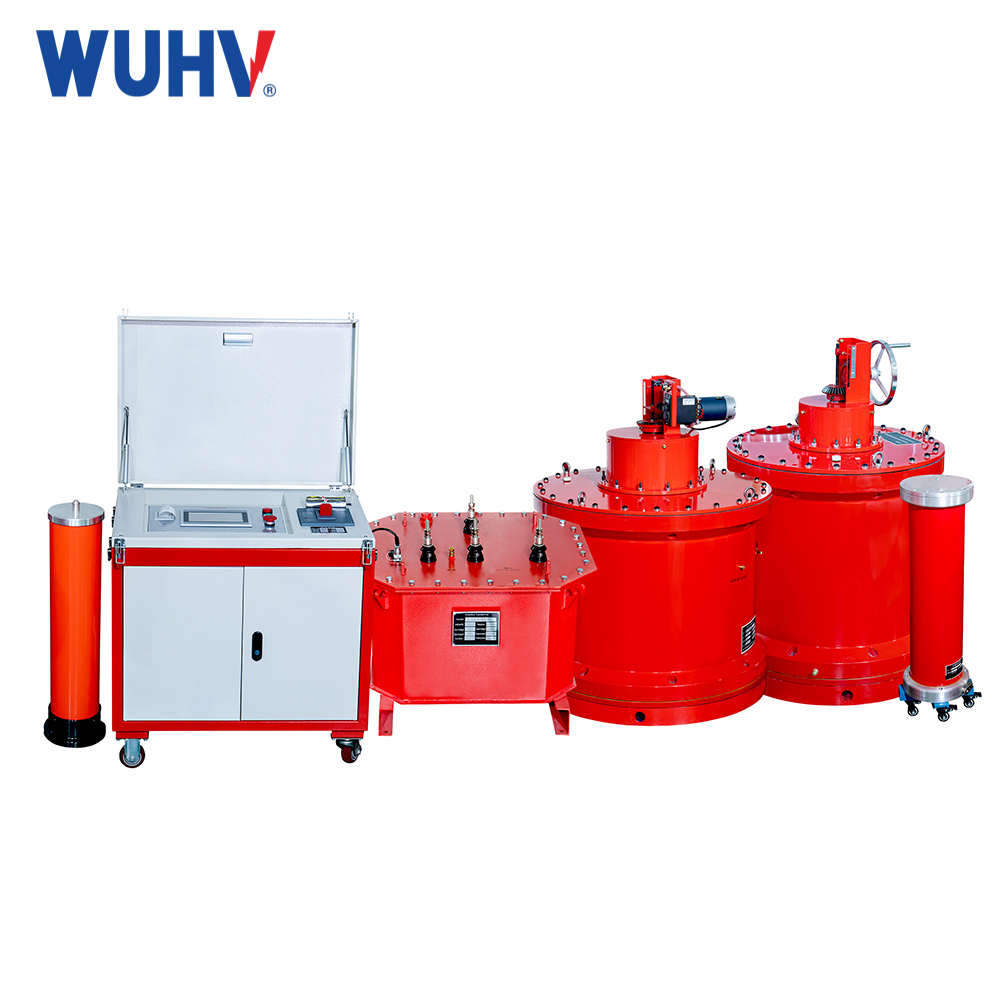
In high-voltage testing of power systems, load capacitance is one of the key parameters to consider when selecting equipment. Different electrical equipment has different capacitance characteristics, such as power cables, GIS composite appliances, transformers, generators, and switchgear. When conducting AC withstand voltage tests, there are different requirements for the output capacity and voltage stability of the testing equipment. If the testing equipment does not match the actual load capacitance, problems such as insufficient output voltage, prolonged testing time, or equipment overload may occur. Therefore, before purchasing high-voltage testing equipment, a reasonable selection should be made based on the capacitance parameters of the test sample and the testing requirements.
1、 Understand the load capacitance of the test sample
The load capacitance mainly depends on the structure, insulation material, rated voltage, and electrical connection method of the tested equipment. In high-voltage AC withstand voltage tests, factors such as cable length, number of GIS intervals, and generator winding structure may all affect the capacitance value of the entire test circuit.
For example, power cables typically have large distributed capacitance, and the longer the cable length, the greater the total capacitance; GIS equipment and large generators may also exhibit significant test capacitance. Therefore, when selecting testing equipment, users should try to obtain capacitance data of the test sample as much as possible to avoid relying solely on the rated voltage to determine whether the equipment is suitable.
2、 Determine equipment capacity based on load capacitance
The load capacitance directly affects the reactive power required by the AC test equipment. For AC withstand voltage tests, the larger the load capacitance, the higher the reactive power required for the test circuit at the same test voltage and frequency.
Therefore, when selecting equipment, it is necessary to comprehensively consider the test voltage, load capacitance, and operating frequency, and confirm that the rated output capacity of the equipment can meet the actual test requirements.
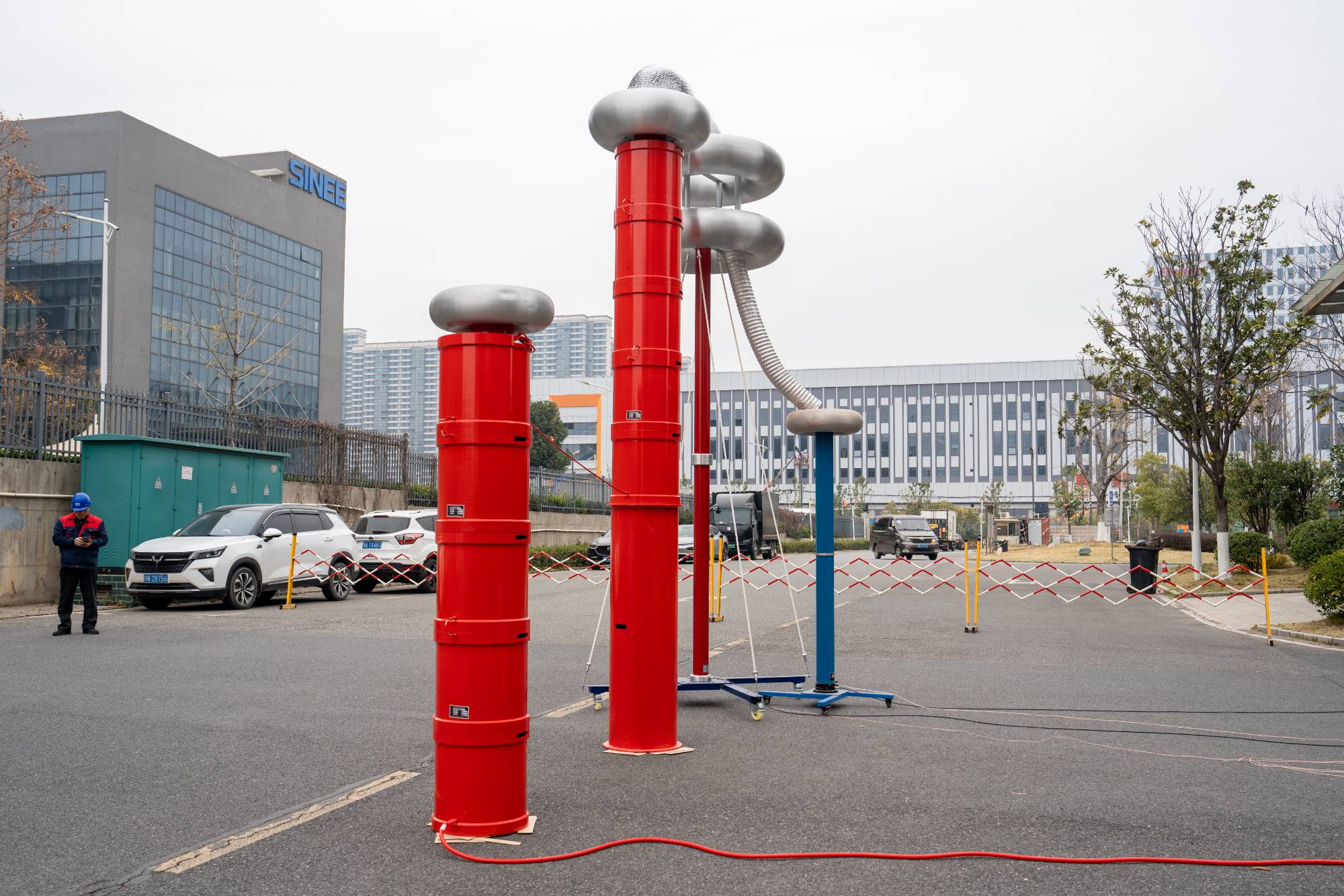
For large capacity cables, GIS, and generators, a variable frequency series resonance test device can be considered. This device utilizes a series resonance between a reactor and the tested capacitor, which can reduce the required capacity of the power supply while meeting the test voltage requirements, making it suitable for AC withstand voltage tests with larger capacitive loads.
3、 Pay attention to the voltage and frequency range of the equipment
In addition to load capacitance, test voltage and frequency are also important factors affecting equipment selection. The test voltage requirements for different electrical equipment are different, and users should determine the required output voltage based on relevant test standards and equipment technical parameters.
For equipment using frequency conversion series resonance, attention should also be paid to the adjustment range of the frequency conversion power supply. A reasonable frequency range helps the equipment to find resonance points under different load conditions and improve the stability of the testing process.
If the device needs to be used for multiple types of test subjects, it is recommended to choose a model with certain frequency regulation and load adaptation capabilities to meet different on-site testing requirements.
4、 Consider the actual experimental subjects and usage environment
There are significant differences in the requirements for testing equipment in different application scenarios.
Power cable testing: Focus on cable length, capacitance per unit length, test voltage, and equipment output capacity.
GIS equipment testing: Suitable testing devices should be selected based on the number of GIS intervals, equipment structure, and overall capacitance.
Transformer test: Determine equipment parameters based on transformer voltage level, winding structure, and specific test items.
Generator test: It is necessary to consider the stator winding capacitance, test voltage, and on-site wiring conditions.
Switchgear testing: The load range should be determined based on the equipment type, insulation structure, and testing requirements.
If the equipment needs to be frequently used in different substations or power engineering sites, the convenience of transportation, installation, wiring, and operation should also be considered.
5、 Pay attention to equipment protection function and measurement performance
High voltage testing involves high voltage and energy, and the safety protection function of the equipment is equally important. When making a purchase, attention should be paid to functions such as overvoltage protection, overcurrent protection, zero start, flashover protection, and detuning protection.
For the frequency conversion series resonance test device, attention can also be paid to operating modes such as automatic tuning, manual tuning, automatic boosting, and manual boosting. These functions can help test personnel adjust the test process according to the on-site load situation, reducing the difficulty of operation.
In addition, the voltage measurement accuracy, operational stability, test data recording, and report output capability of the equipment will also affect the efficiency of daily detection work.
6、 Choose equipment suppliers with practical application experience
The selection of high-voltage testing equipment not only involves technical parameters, but also needs to consider production experience, technical support, and after-sales service. For cables GIS、 Suppliers should be able to provide reasonable equipment configuration recommendations based on the capacitance, test voltage, and on-site conditions provided by the user for different test samples such as transformers and generators.
Wuhan UHV Power Technology Co., Ltd. has been engaged in the research and production of power testing equipment for a long time. Its products include variable frequency series resonance testing devices, AC withstand voltage testing equipment, DC high voltage testing equipment, and other power detection instruments. Users can choose appropriate equipment configurations based on their actual needs for different load conditions and test objects.
Before procurement, it is recommended to provide the supplier with the type of test sample, maximum test voltage, load capacitance, test frequency, and on-site power conditions in order to obtain a more accurate selection plan.
When selecting testing equipment based on load capacitance, it is necessary to comprehensively consider the capacitance of the test object, test voltage, output capacity, frequency range, and actual application environment. Especially in AC withstand voltage tests such as cables, GIS, and large generators, reasonable matching of equipment capacity can reduce equipment operating pressure, improve test efficiency and stability. Choosing high-voltage testing equipment that is suitable for actual load conditions is an important step in ensuring the smooth progress of power equipment testing work.