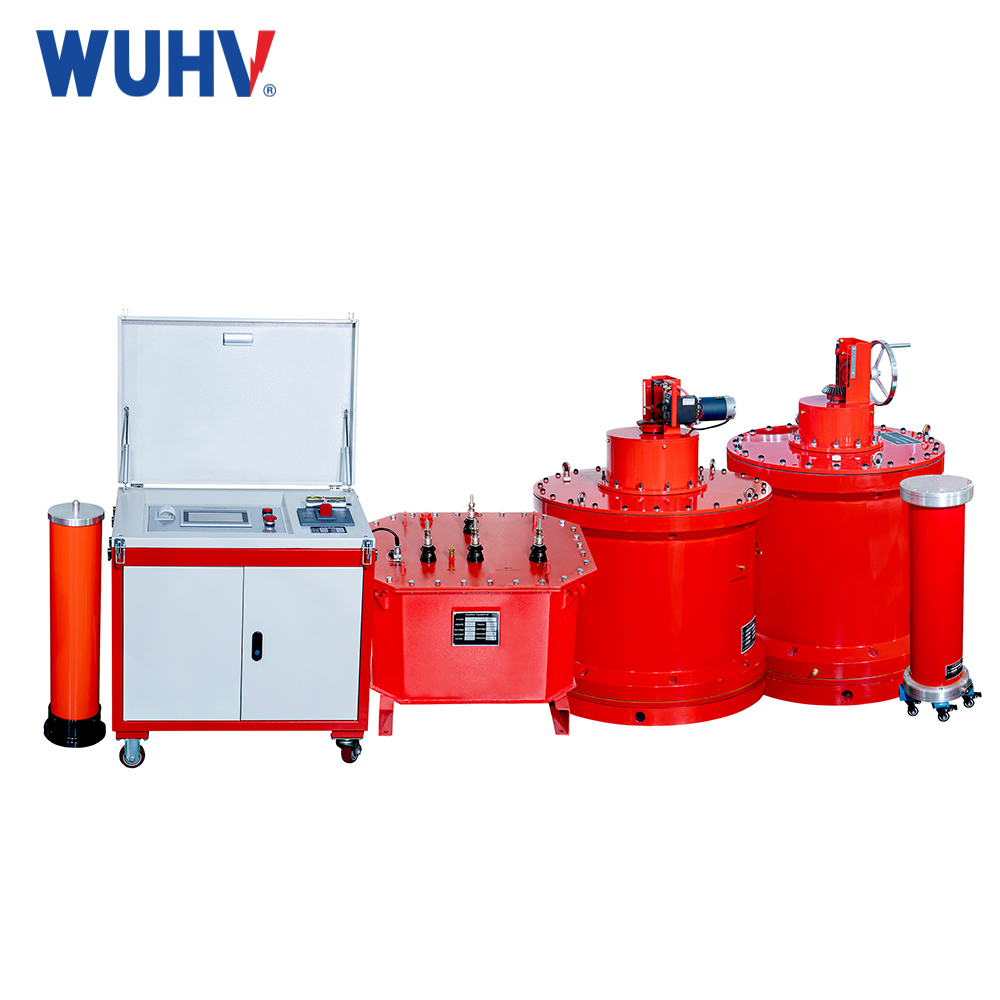
How to determine the appropriate power and voltage level for purchasing a motor test bench? Choosing too small may not be enough, choosing too large will waste investment.
The selection of power and voltage levels for the test bench requires comprehensive consideration of current demand, future development, and economy.
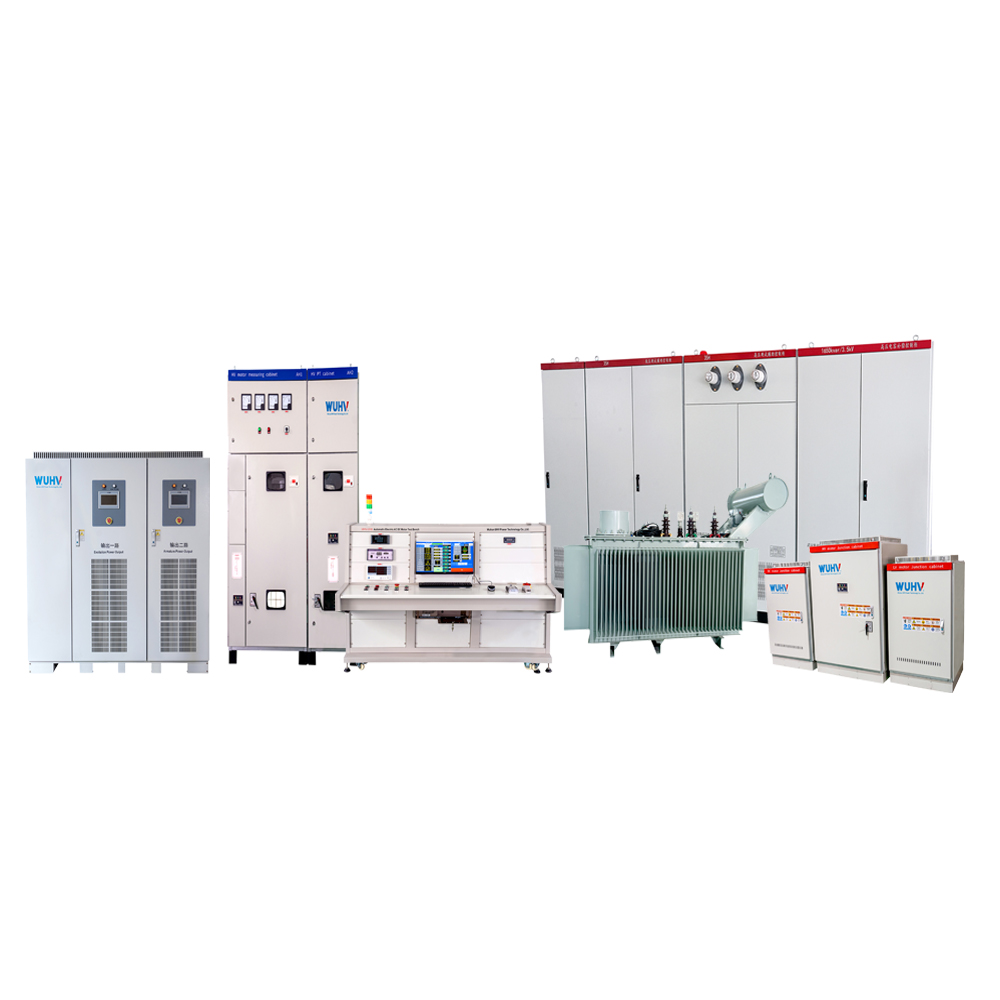
Steps to determine power:
Inventory of existing motors: List the maximum power motor currently produced by the factory, and the capacity of the test bench needs to cover this power
Consider future development: Reserve 20% -30% capacity margin, or choose a modular test bench that supports parallel expansion to avoid running out of capacity in 2-3 years
Consider testing type: Type testing requires full power operation, and factory testing can reduce capacity (but should not be less than 80% of the maximum motor power)
Consider testing simultaneously: If there are multiple workstations, consider whether to test simultaneously
Voltage level selection:
Low voltage motor: choose 0-1140V adjustable power supply
High voltage motor: It is necessary to configure a high-voltage variable frequency power supply or transformer, and the voltage level should match the tested motor
Simultaneously testing high and low voltage motors: It is recommended to configure a high voltage power supply and a low voltage transformer, or to separately configure two sets of high and low voltage power supplies
Economic suggestion:
Don't blindly pursue excessive capacity: the larger the capacity, the higher the equipment investment, distribution cost, and basic electricity bill
Recommended "one-time planning, step-by-step implementation": first purchase according to current needs, reserve expansion interfaces (such as parallel machine functions)
For occasionally tested high-power motors, outsourcing testing or leasing methods can be considered to avoid investment waste
Summary: Based on the current maximum motor power, with a margin of 20% -30%, and selecting a test bench that supports parallel expansion, it can meet current needs while protecting long-term investments.