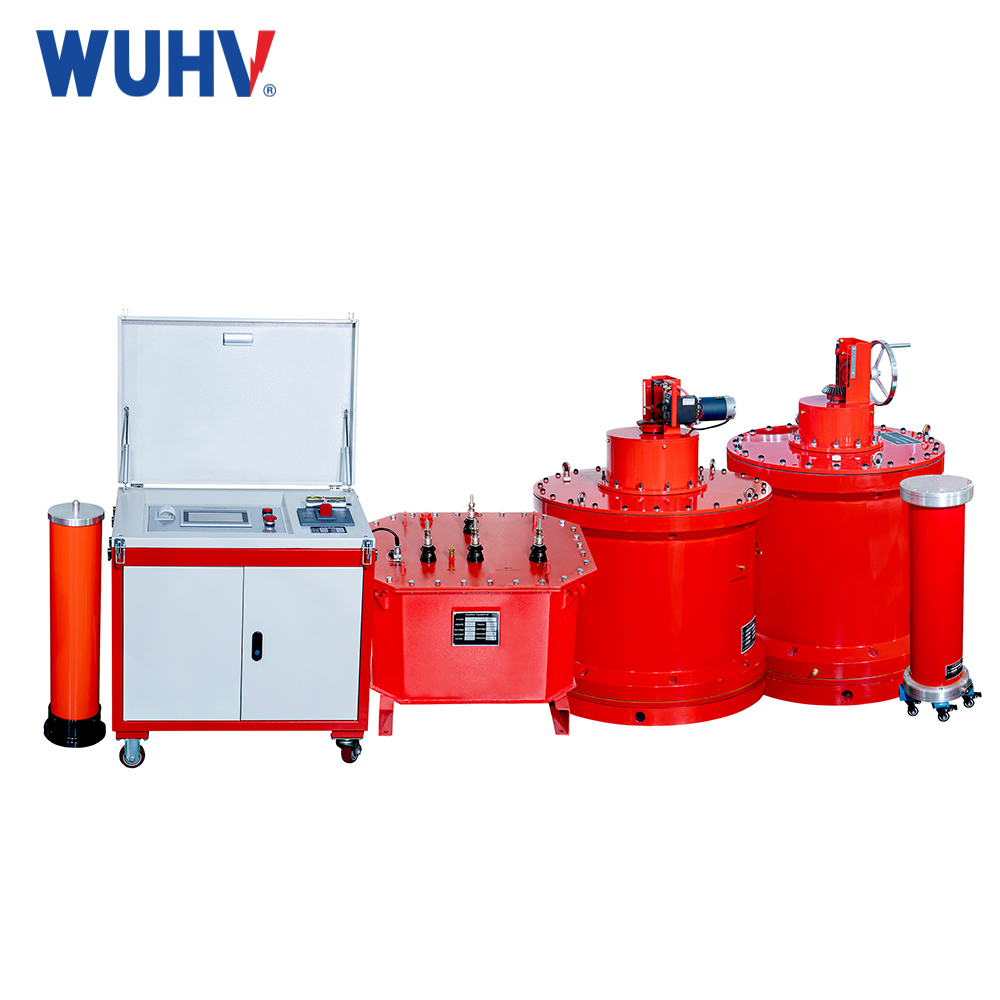
In the process of power transmission, cables play a crucial role as the "arteries" of the city, transporting a continuous stream of energy. Even the strongest "artery" is inevitably prone to "lesions" - cable failures. Once a malfunction occurs, it will not only affect the stability of power supply, but also bring huge economic losses and safety hazards. At this point, an efficient and accurate cable fault locator becomes particularly crucial.
What exactly is a cable fault locator? Simply put, it is an instrument specifically designed to locate cable fault points. Think about it, a cable that is several kilometers or even tens of kilometers long, once there is a problem, searching for that "lesion" in the vast "sea of lines" is like looking for a needle in a haystack without suitable tools! The cable fault locator is the "microscope" or "probe" that allows you to quickly and accurately locate the fault location.
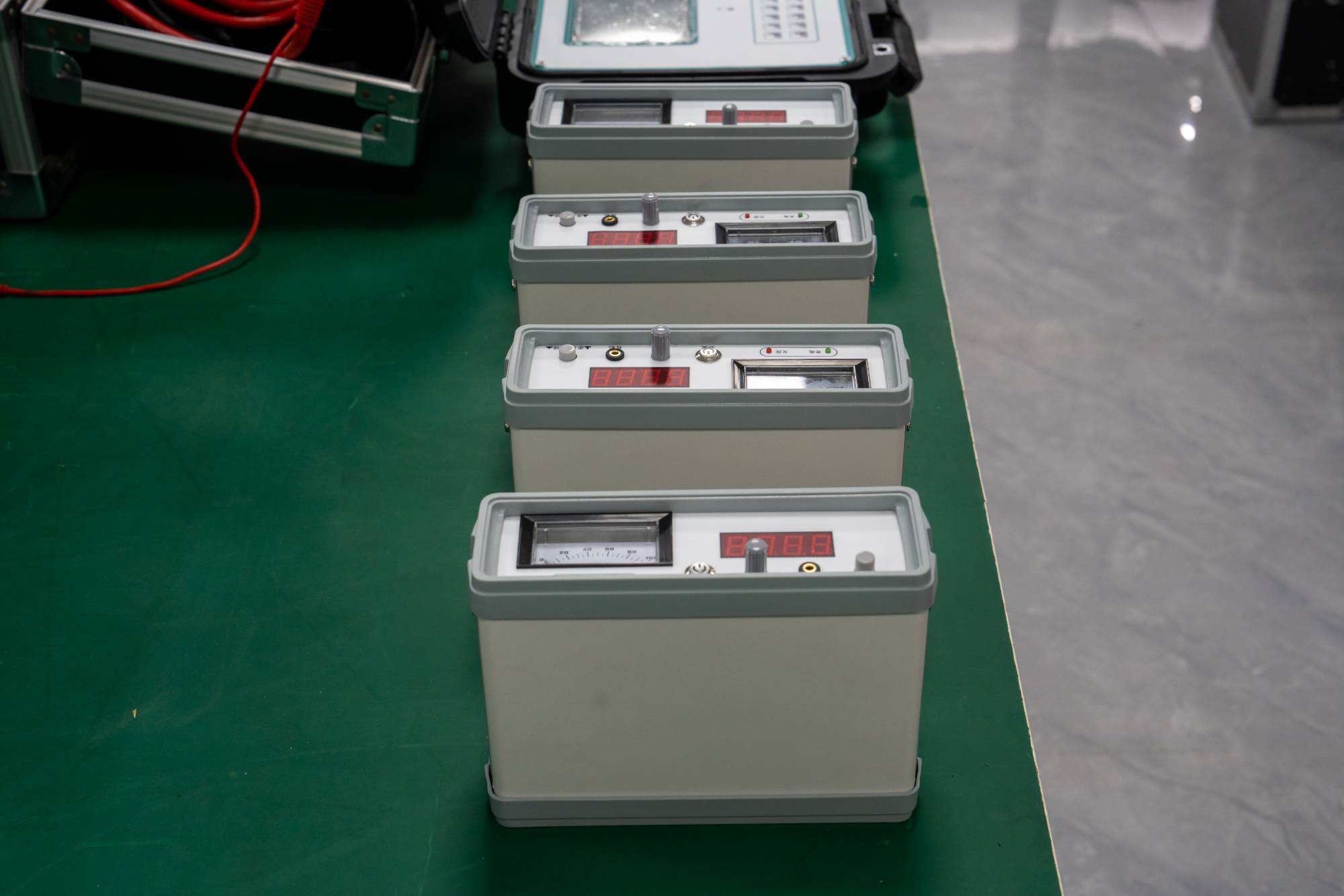
What is the 'secret weapon' of cable fault addressable devices?
The reason why this magical tool can be so precise mainly relies on some advanced physical principles and technologies. For example, the commonly used "pulse reflection method" and "pulse current method" in cable fault location.
TDR (Time Domain Reflectometry): This method is like emitting a beam of "ultrasonic waves" to a cable and carefully listening for the echo. The instrument will emit an electrical pulse into the cable, and when the pulse encounters a fault point (such as a wire break or short circuit), reflection will occur. By measuring the time difference between the pulse emission and reflection, and based on the cable's conduction velocity, the distance to the fault point can be calculated. Isn't it interesting?
Pulse current method: This method focuses more on "listening" to the "sound" of the cable. It applies a high-voltage pulse to the faulty cable and then uses a receiving probe along the cable path to monitor changes in electric or magnetic fields at different locations. When the received signal undergoes drastic changes at a certain point, it may indicate the occurrence of a fault.
The 'behind the scenes' driving force that affects fault location
Although cable fault addressable devices are powerful, in practical operation, some factors can also affect their performance:
Fault type: Different faults (such as grounding, short circuit, open circuit, high resistance flashover) have different electrical signal characteristics in cables, and the difficulty of locating cable faults also varies.
Cable structure and length: The material, shielding layer, armor and other structures of the cable, as well as the actual length of the cable, will affect the propagation and reflection of pulse signals, and require corresponding instrument settings and calibration.
Environmental interference: Surrounding electromagnetic interference, terrain conditions, etc. may also have a certain impact on signal reception, and operators need to have rich experience to eliminate interference.
Tool in the Toolbox: Intelligent Solution from Wuhan UHV Power Technology Co., Ltd
In the face of an increasingly complex power grid environment, it is crucial to choose a reliable cable fault locator. In this regard, Wuhan UHV Power Technology Co., Ltd. It provides many intelligent and efficient solutions. The equipment they develop often integrates multiple cable fault location technologies, has a user-friendly interface, and can accurately analyze different types of cables and faults.
For example, some of their advanced cable fault diagnosis equipment can greatly improve the accuracy of finding cable fault points by combining time-domain and frequency-domain analysis methods. For some tricky underground cable faults, through Wuhan UHV Power Technology Co., Ltd. The equipment can perform cable fault testing more quickly and reduce power outage time.
How can we do better?
To maximize the value of cable fault addressable devices, it is not only necessary for the equipment itself to be advanced, but also for the professional competence of the operators:
Deep understanding of principles: Familiar with cable fault location principles such as pulse reflection and pulse current, which can help better interpret instrument data.
Proficient in operating equipment: Mastering the use of instruments, familiarizing oneself with settings in different modes, is crucial for cable fault analysis.
Combining on-site experience: Combine the measurement results of the instrument with the geographical information and cable laying situation on site to make a comprehensive judgment.
Regular maintenance: Ensure the normal working condition of the cable fault locator and conduct regular cable fault detection and maintenance.
Cable fault addressable devices are the "eyes" and "ears" of power operation and maintenance personnel. Their existence makes the originally complex and time-consuming process of cable fault finding efficient and accurate.
Frequently Asked Questions (FAQ)
Q1: Can cable fault addressable devices be used for all types of cables? A1: Most cable fault locators can be used for common power cables, such as cross-linked polyethylene insulated power cables. But for cables with special materials or structures, specific models of equipment or additional accessories may be required. It is recommended to consult Wuhan UHV Power Technology Co., Ltd. Professional technical personnel.
Q2: Why are some cable faults difficult to locate? A2: Common causes include fault types (such as high resistance faults), long cable lengths, multiple faults, and environmental interference. A cable fault locator with advanced technology and experienced operators are the key to solving such problems.
Q3: What are the main differences between pulse reflection method and pulse current method? A3: The pulse reflection method mainly relies on the reflection time of the signal to calculate distance, and is suitable for faults such as open circuits and short circuits. The pulse current law determines the fault point by inducing changes in electric or magnetic fields, and sometimes has a better effect on high resistance faults. Many modern cable fault location devices combine these two methods.
Q4: How to choose a cable fault locator that suits oneself? A4: When selecting, factors such as the type and length of the cable to be tested, common types of faults, and budget should be considered. Pay attention to the positioning accuracy, operational convenience, and after-sales service of the equipment.
Q5: What safety precautions should be taken when conducting cable fault testing? A5: During the cable fault testing process, high voltage will be applied. Operators must strictly follow safety regulations, ensure that surrounding personnel stay away, and wear insulation protective equipment. Before diagnosing cable faults, make sure to confirm that the cable has been disconnected from the power supply.