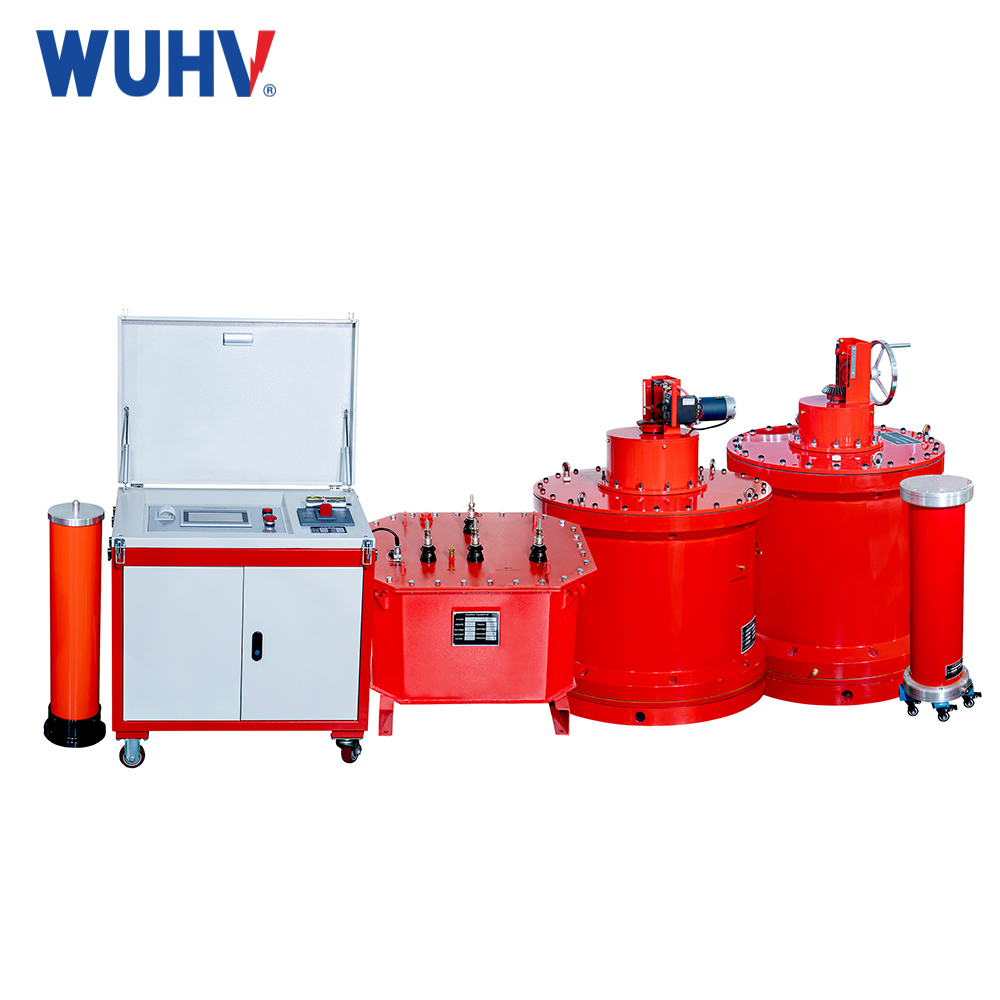
In the power system, the reliability of the grounding system is directly related to personal safety and stable operation of equipment. As a key measuring tool, the accuracy of the inter frequency grounding resistance tester cannot be ignored. Why is it so important, and how can we better utilize it?
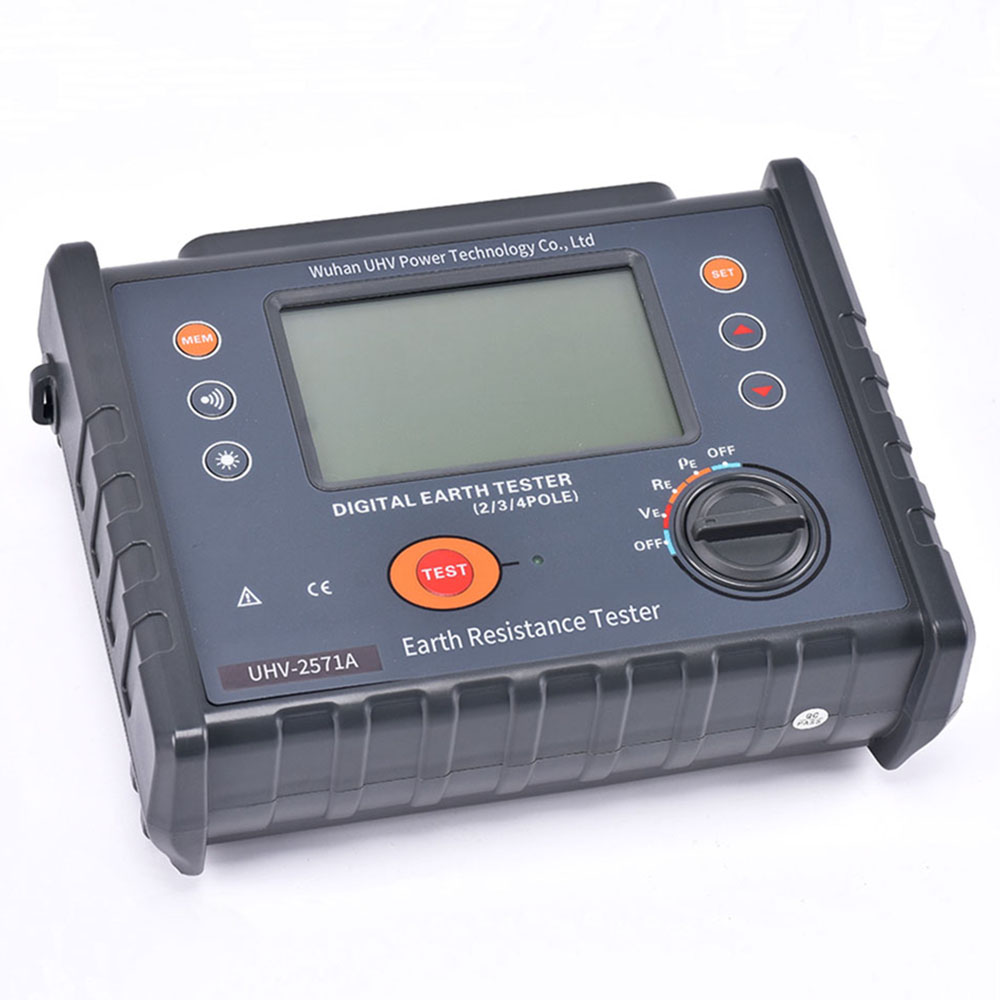
What is a cross frequency grounding resistance tester?
Simply put, a cross frequency grounding resistance tester is an instrument specifically designed to measure the resistance of grounding devices. It precisely measures the ground resistance value of the grounding body by applying a specific frequency of current. This method can effectively overcome power frequency interference and obtain more stable and accurate measurement results, which is crucial for evaluating the effectiveness of grounding systems.
Factors affecting grounding resistance
The size of grounding resistance is influenced by various factors, and understanding these factors can help us make more accurate judgments:
Soil resistivity: This is the most important factor. The moisture, salt content, temperature, and soil composition of soil can all affect its conductivity, which in turn affects the grounding resistance.
The size and burial depth of the grounding body: The length, diameter, and burial depth of the grounding body will affect its contact area and conductive path with the soil.
Soil structure and climate: The compactness of the soil, the presence of cracks, and seasonal changes in dryness and wetness all have a dynamic impact on grounding resistance.
Layout of grounding grid: The shape, size, and number of grounding bodies of the grounding grid will all affect the overall grounding effect.
Professional support from Wuhan UHV Power Technology Co., Ltd
Wuhan UHV Power Technology Co., Ltd. always provides support to customers with professional technology and reliable products when selecting and using grounding resistance testers. We are well aware that accurate measurement is the cornerstone of ensuring the safe operation of the power system.
How to better conduct inter frequency grounding resistance testing?
Choose the appropriate instrument: Ensure that the accuracy and measurement range of the tester meet your on-site needs.
Standardized operation: Strictly follow the instrument manual and relevant regulations for operation, including the burial depth and spacing of probes.
Consider testing environment: Avoid areas with strong electromagnetic interference and conduct measurements under conditions of relatively stable soil moisture content.
Take the average of multiple measurements: To improve accuracy, it is recommended to take multiple measurements at the same location and take the average.
Regular calibration: Regularly calibrate the inter frequency grounding resistance tester to ensure its stable performance.
The equipment provided by Wuhan UHV Power Technology Co., Ltd. has undergone strict quality control, which can help you easily complete high-precision measurements and ensure more accurate and reliable measurement of grounding resistance.
Related technologies and applications
Grounding grid design: The test results directly guide the optimization of the grounding grid design.
Equipment safety protection: Ensure that the electrical equipment casing is well grounded to prevent electric shock accidents.
Lightning protection: The grounding system is a key component of lightning protection.
Measurement of grounding resistivity: Understanding soil resistivity can help optimize the selection and burial of grounding bodies.
Frequently Asked Questions (FAQ)
What specifically does the term 'abnormal frequency' refer to in an abnormal frequency grounding resistance tester? 'Abnormal frequency' refers to the current frequency used during testing that is different from the power frequency of the grid (such as 50Hz), usually using lower frequencies (such as 20Hz, 25Hz) or higher frequencies, which can effectively avoid power frequency interference and improve measurement accuracy.
How often should I conduct a ground resistance test? It is usually recommended to conduct inspections after the construction or renovation of grounding systems, as well as at regular intervals (such as annually or every two years). The specific frequency will depend on local regulations and the actual situation of the grounding system.
What is the impact of soil moisture on grounding resistance? The higher the soil moisture, the lower the soil resistivity, and the lower the grounding resistance. On the contrary, when the soil is dry, the grounding resistance will significantly increase.
Besides soil factors, what other factors can affect grounding resistance? This also includes the material, size, shape, burial depth, number of grounding bodies, and chemical composition of the soil.
What are the advantages of Wuhan UHV Power Technology Co., Ltd.'s products in terms of accuracy? The products of Wuhan UHV Power Technology Co., Ltd. strictly follow industry standards in the design and manufacturing process, using advanced measurement technology and high-quality components to ensure the measurement accuracy and stability of the instruments, and can meet the measurement needs of various complex power scenarios.