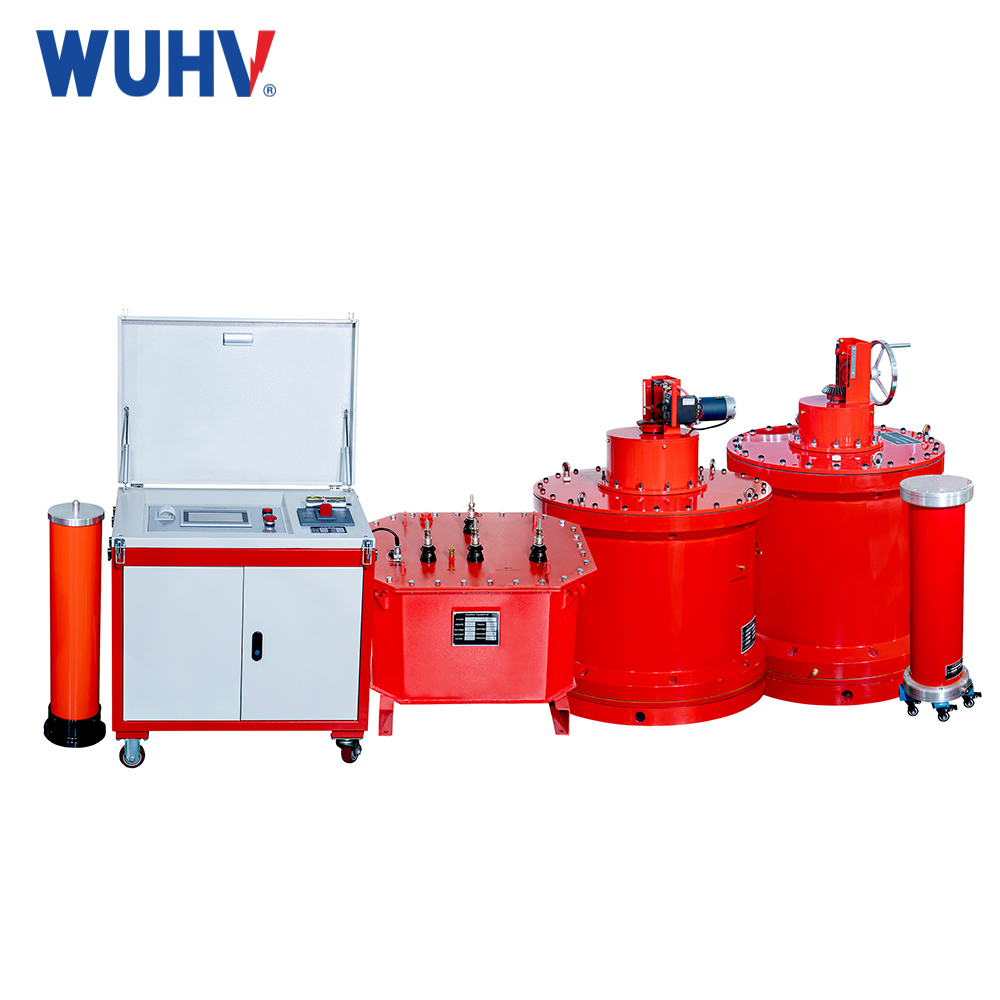
When the power artery of a city is blocked, it not only affects lighting, but also the operation of the entire society. Cable faults, which sound like a headache, often require a lot of manpower and resources to troubleshoot in the past. But now, with the advancement of technology, the emergence of "cable fault detectors" is quietly changing this situation, making power inspections more precise and efficient than just "blind people feeling the elephant".
What is a cable fault detector?
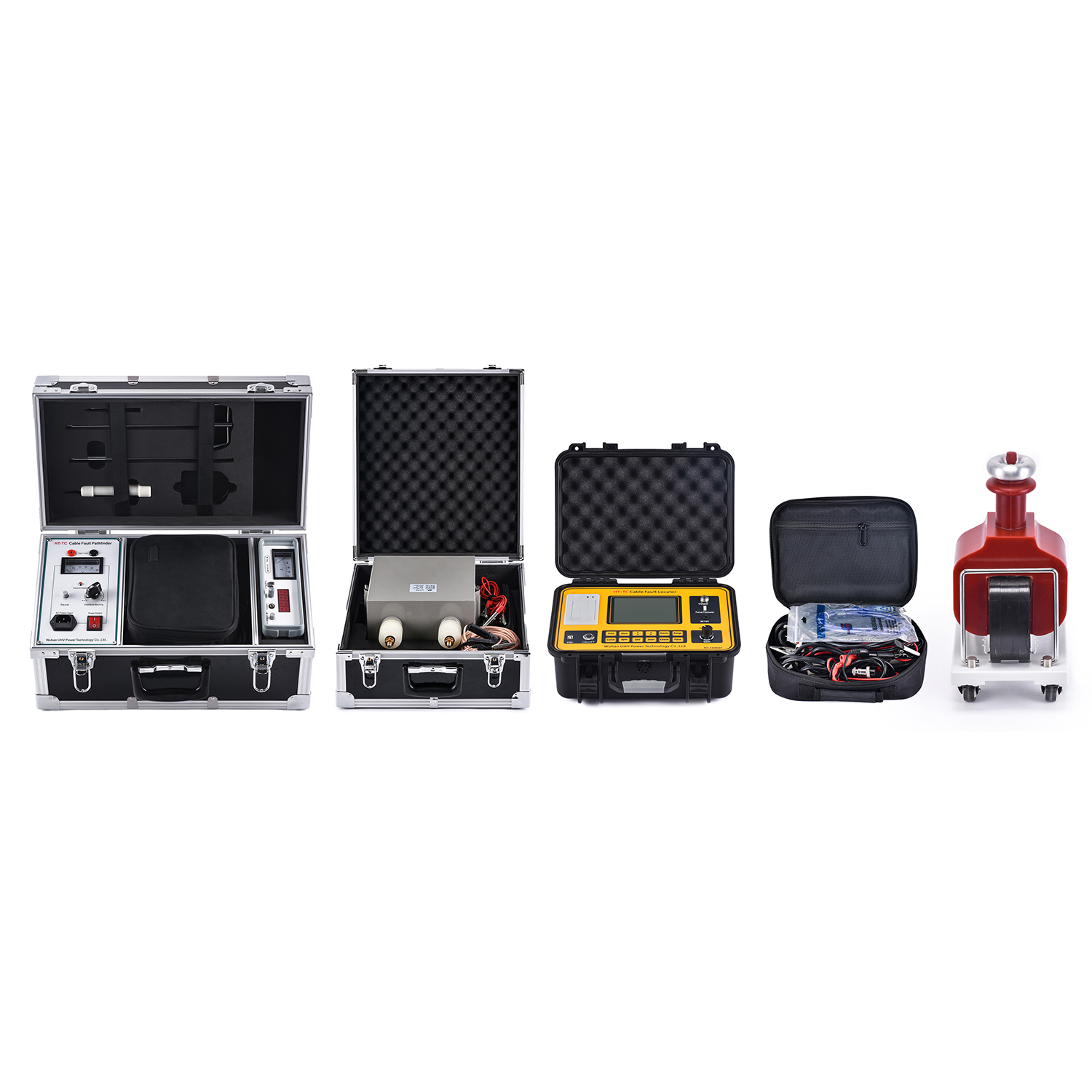
Simply put, a جهاز كشف اعطال الكابلات is a specialized equipment designed to locate the point of fault in underground or concealed cables. It is like installing a "probe" on a cable, which can accurately indicate the specific location of the fault through various principles. This is much more efficient than the traditional method of relying on intuition and digging three feet deep.
Factors affecting cable fault detection
There are many factors that affect cable fault detection, and we need to look at them from several aspects:
The condition of the cable itself: insulation aging, mechanical damage, moisture, overload operation, etc., are all the "culprits" that cause faults.
Environmental factors such as soil moisture, temperature changes, density of underground pipelines, and even construction disturbances may interfere with detection.
Fault types: high resistance fault, low resistance grounding fault, disconnection fault. The difficulty and methods of detection vary for different types of faults.
Detection technology and equipment: Different detection principles and technologies have varying accuracy and applicability.
Exploring and detecting 'sharp tools'
What are the 'secret weapons' that help us solve problems in practical work?
Pulse tester: By applying high-voltage pulses to the cable and analyzing the reflected signal, the approximate location of the fault point can be determined.
High voltage generator: provides necessary high-voltage energy for detection.
Acoustic detector: For certain types of faults, discharge sound can be generated, and the acoustic detector can capture and locate the sound source.
Electromagnetic induction method: using changes in the electromagnetic field to locate.
Of course, these devices often need to be used in conjunction to achieve optimal results. It is worth mentioning that Wuhan UHV Power Technology Co., Ltd. has rich technical accumulation and professional equipment in these fields, providing strong guarantees for the safe operation of the power system.
How can we do better?
To improve the detection efficiency and accuracy of cable faults, we can do the following:
Regular inspection and prevention: Don't wait for faults to occur before taking action. Establish a sound cable inspection system to detect potential hazards in advance.
Technological innovation and upgrading: Pay attention to the latest developments in cable fault location technology and introduce more advanced equipment and methods. Wuhan UHV Power Technology Co., Ltd. is constantly exploring and innovating, such as their intelligent diagnostic systems, which greatly improve the efficiency of cable fault diagnosis.
Professional training: Ensure that operators have solid theoretical knowledge and rich practical experience in order to better utilize these high-voltage cable detection equipment.
Data management: Systematically manage inspection data and fault records, establish power cable health records, and provide a basis for fault prediction and analysis.
Joint Collaboration: Collaborating with professional technical companies, such as contacting Wuhan UHV Power Technology Co., Ltd., can provide more professional support and solutions to jointly improve the operation and maintenance level of underground cables.
In summary, cable fault detectors are one of the key technologies to ensure the stable operation of power systems. By continuously optimizing detection techniques and management methods, we can more effectively address various challenges.
Frequently Asked Questions (FAQ)
Q1: What types of faults can cable fault detectors detect? A1: Cable fault detectors can usually detect common types such as low resistance grounding faults, short circuit faults, and wire breakage faults. For high impedance faults, some advanced devices can also detect them through special methods.
Q2: What is the accuracy of the detector? A2: The accuracy of the detector is affected by various factors, including equipment performance, operator proficiency, and on-site environment. Generally speaking, modern equipment can achieve a positioning accuracy of meters or even higher.
Q3: Why is pulse testing a commonly used method for cable fault location? A3: The principle of pulse testing method (also known as TDR time-domain reflection method) is relatively simple, has certain adaptability to various types of faults, and is relatively easy to operate, so it is widely used in cable fault detection.
Q4: What safety precautions should be taken when conducting cable fault detection? A4: Safety comes first! Before conducting any cable testing work, it is necessary to confirm that the tested cable has been powered off and take appropriate isolation measures. Operators should wear insulation protective equipment and strictly follow safety operating procedures.
Q5: How to choose a cable fault detector that suits your needs? A5: When choosing, you need to consider the cable line types you mainly face, common fault types, budget, and requirements for detection accuracy. You can consult professional suppliers, such as Wuhan UHV Power Technology Co., Ltd., who can provide professional advice based on your actual situation.